DAV Sushil Kedia Vishwa Bharati School stands as a leader in preparing students for a world shaped by technology. As one of the prominent schools in Nepal, DAV blends its rich Vedic heritage with modern skills like AI and coding. This approach helps students not just learn facts, but also create solutions for real problems. With alumni around the world in top global companies, the school focuses on building digital fluency early on. Parents often worry about how children will keep up in an AI-driven future, but DAV addresses this through thoughtful programs that make learning fun and practical.
The school's motto, "Eastern hearts and Western minds," guides this effort. It means combining ancient wisdom with today's tools. For example, daily Anapana meditation helps students stay focused during coding sessions, much like how schools in Singapore use mindfulness to boost tech learning. DAV knows that AI and coding are key to jobs like app development or data analysis. So, the school starts building these skills from middle grades and calls for early digital education to shape up students’ fluency in AI & coding.
Starting Early: Vocational IT Subjects Build the Foundation
DAV introduces AI and coding through its vocational subjects from Grades VI to IX. These classes teach basics like programming languages, algorithms, and simple machine learning. Students learn to code in tools like Python or Scratch, creating small projects such as games or apps that solve everyday issues. This is similar to how U.S. schools use CTE pathways to teach AI ethics and practical skills.
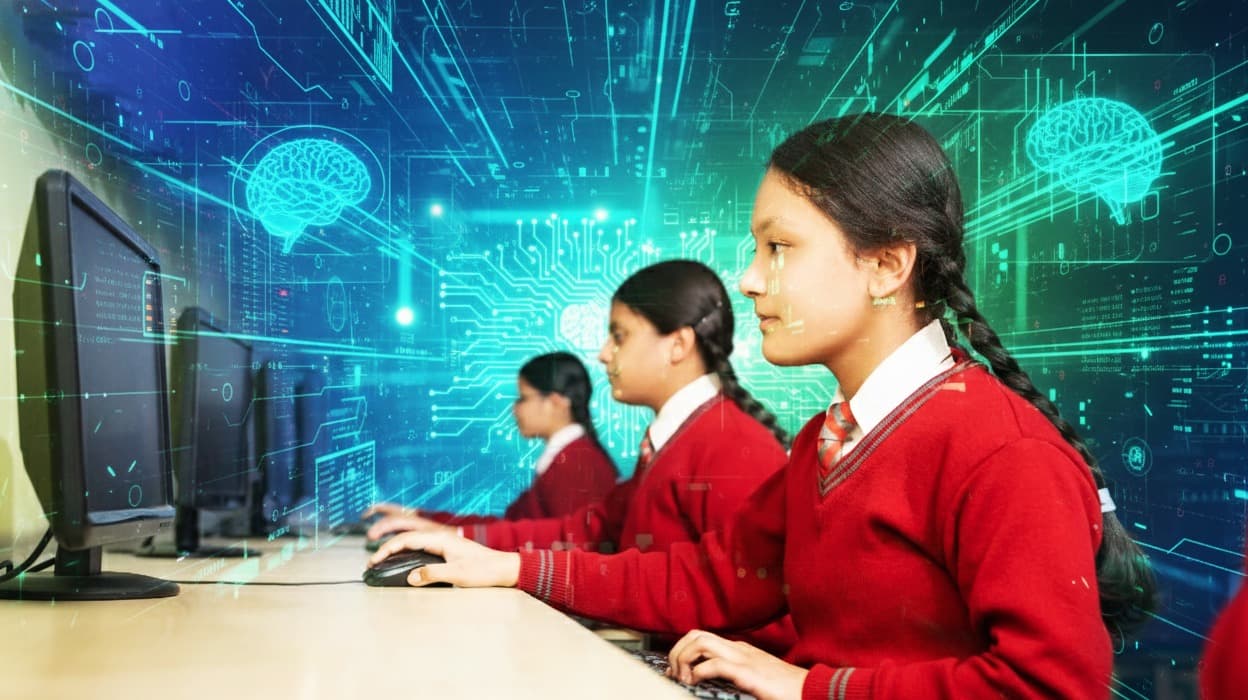
The school's ultra-modern computer labs make this possible. Each lab has internet and multimedia, allowing students to experiment with AI simulations. For instance, they might build a program that sorts recycling items, tying into DAV's eco-friendly values like the Vasudha Eco Club. Teachers, trained in best AI practices, guide these lessons. They attend workshops to stay updated, ensuring classes are engaging and safe. This hands-on method helps students see how coding can make a difference, just like in MIT's programs for young learners.
Charles Babbage Computer Club: Where Creativity Meets Code
The Charles Babbage Computer Club at DAV sparks interest in AI and coding beyond regular classes. Students join to explore advanced topics like data analysis or robotics basics. Club activities include group projects, where teams design AI tools for school events, such as a chatbot for library searches. This mirrors how European schools use clubs to teach ethical AI, focusing on privacy and fairness.
The club meets regularly, with mentors from the IT department leading sessions. They use smart classrooms with interactive boards to demonstrate concepts. For example, students might code a simple AI to predict weather patterns, linking to science lessons. These activities build teamwork and problem-solving, key to future careers. Parents appreciate how the club turns screen time into skill-building, much like global initiatives in Singapore's Smart Nation program.
Integrating AI Across the Curriculum
DAV weaves AI and coding into other subjects, making learning connected and fun. In science classes, students use coding to model experiments, like simulating chemical reactions with AI software. This approach draws from global best practices, where schools like those in Finland integrate tech to enhance creativity.
The school's multilingual program adds a unique twist. Students can code in different languages, such as using AI tools for French or Chinese translations. This prepares them for a global world, where AI helps bridge cultures. The library's e-learning resources support this, with online platforms for coding tutorials. Teachers encourage ethical use, teaching about AI bias and data privacy, inspired by UNESCO guidelines.
Teacher Training and Resources: The Backbone of Success
Trained teachers are essential to DAV's AI and coding efforts. The school provides regular workshops on the latest practices, ensuring educators can teach with confidence. This is like how top schools in the U.S. train staff through partnerships with tech companies.
The IT department plays a big role, with tools like enhanced attendance systems showing how AI works in real life. Students see these examples and get excited to learn more. Labs are equipped for safe exploration, with guidelines to avoid common pitfalls like over-reliance on tech.
Real-World Projects and Competitions
DAV students apply AI and coding in real-world projects. For example, they might create apps for environmental monitoring, tying into the school's sustainability missions. This hands-on work builds skills and resumes, similar to project-based learning in Canadian schools.
Competitions encourage creativity. Students participate in coding challenges, sometimes with international exchanges like those through PASCH. These events help them think like innovators, solving problems like traffic in Kathmandu using AI models.
Preparing for the Future: Digital Fluency with Vedic Values
DAV ensures AI and coding align with its holistic goals. Meditation helps students stay patient during debugging, while yoga builds focus for long coding sessions. This balance makes DAV unique, preparing students not just for jobs, but for ethical use of tech.
Parents see the results in confident children ready for an AI world. The school's global network opens doors to tech opportunities abroad. By fostering these skills, DAV helps students thrive in a changing world.